Research Areas

Genetic research

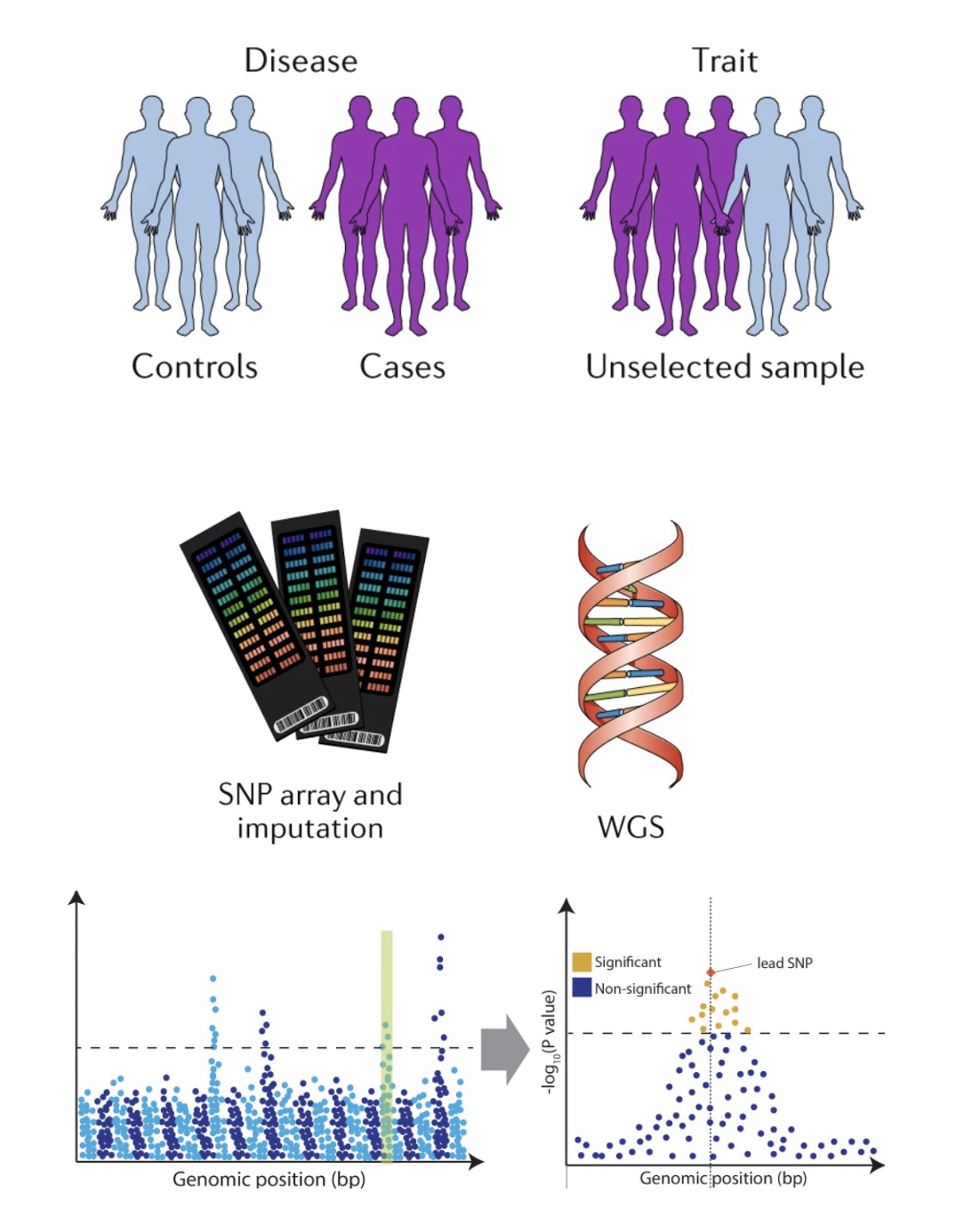
Our research focuses on understanding genome function by decoding how genetic variants shape human phenotypes, disease risk, and evolutionary adaptation. Genetic variation underpins human biological diversity, yet most disease- and trait-associated mutations identified through GWAS and population genomics remain functionally uncharacterized—particularly within the vast landscape of non-coding regulatory variants. Many of these variants reflect ancient adaptive responses to historical environments but now contribute to modern complex disease susceptibility. Systematically defining their molecular functions and establishing causal links to phenotypes and disease represents one of the major bottlenecks in genetics, and precision medicine.

To address this challenge, our lab develops a high-throughput functional genomics platform that integrates massively parallel reporter assays (MPRA), deep mutational scanning (DMS), CRISPR-based perturbation screens, single-cell genomics, and long-read sequencing, combined with population genetic and computational analyses. This integrated framework enables the systematic identification of functional mutations and their target genes, the dissection of mechanisms that shape human phenotypes and disease risk, and the discovery of novel therapeutic targets. Ultimately, we aim to translate mechanistic insights into strategies for disease prevention and treatment.

Current Researches

Functional Genomics and Technology Development

We develop and deploy high-throughput functional genomics methodologies to rigorously interrogate gene regulation and the molecular consequences of human genetic variation.

  • Map gene-regulatory architecture using MPRA, Hi-C and other chromatin profiling assays
  • Build scalable CRISPR-based perturbation platforms for genome and epigenome editing in disease-relevant models
  • Resolve cellular heterogeneity with single-cell genomics and quantitative computational analysis
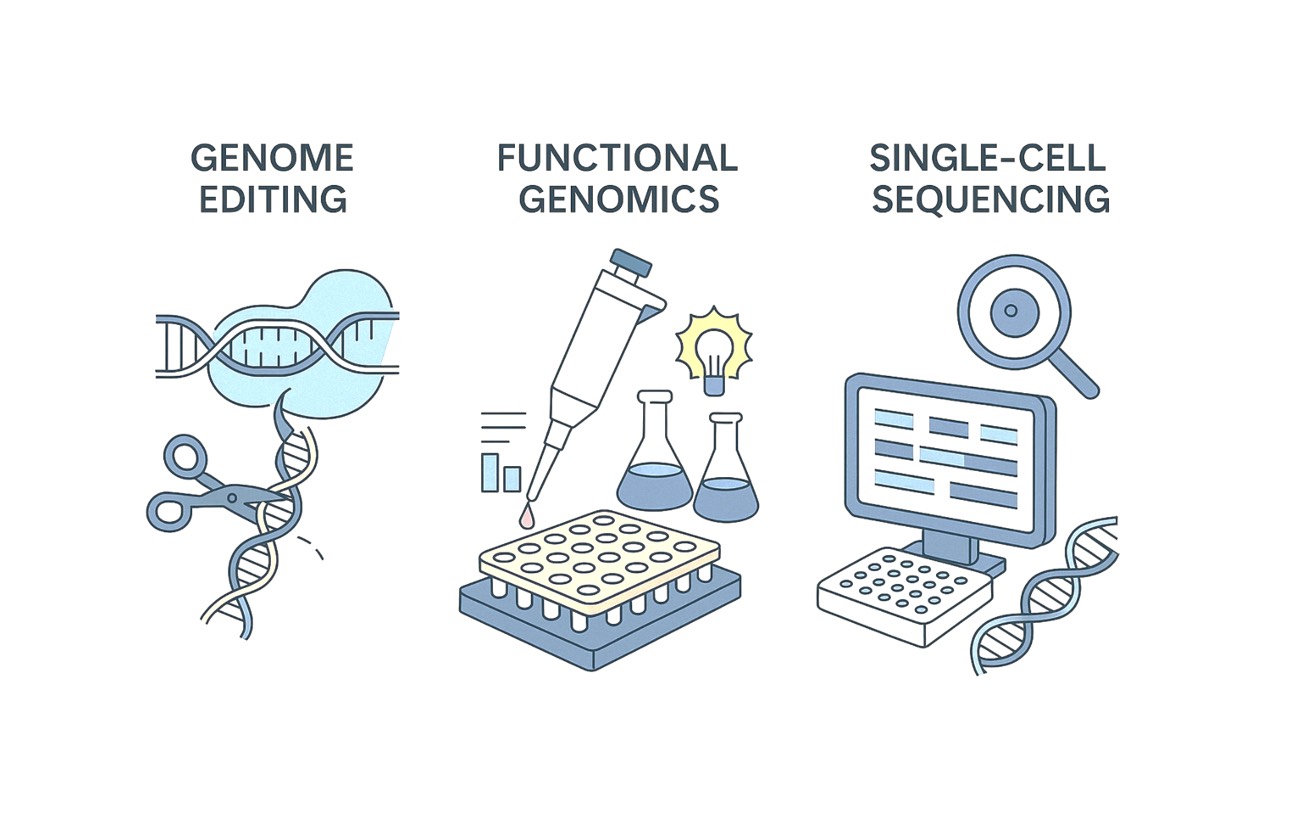
Functional Genomics

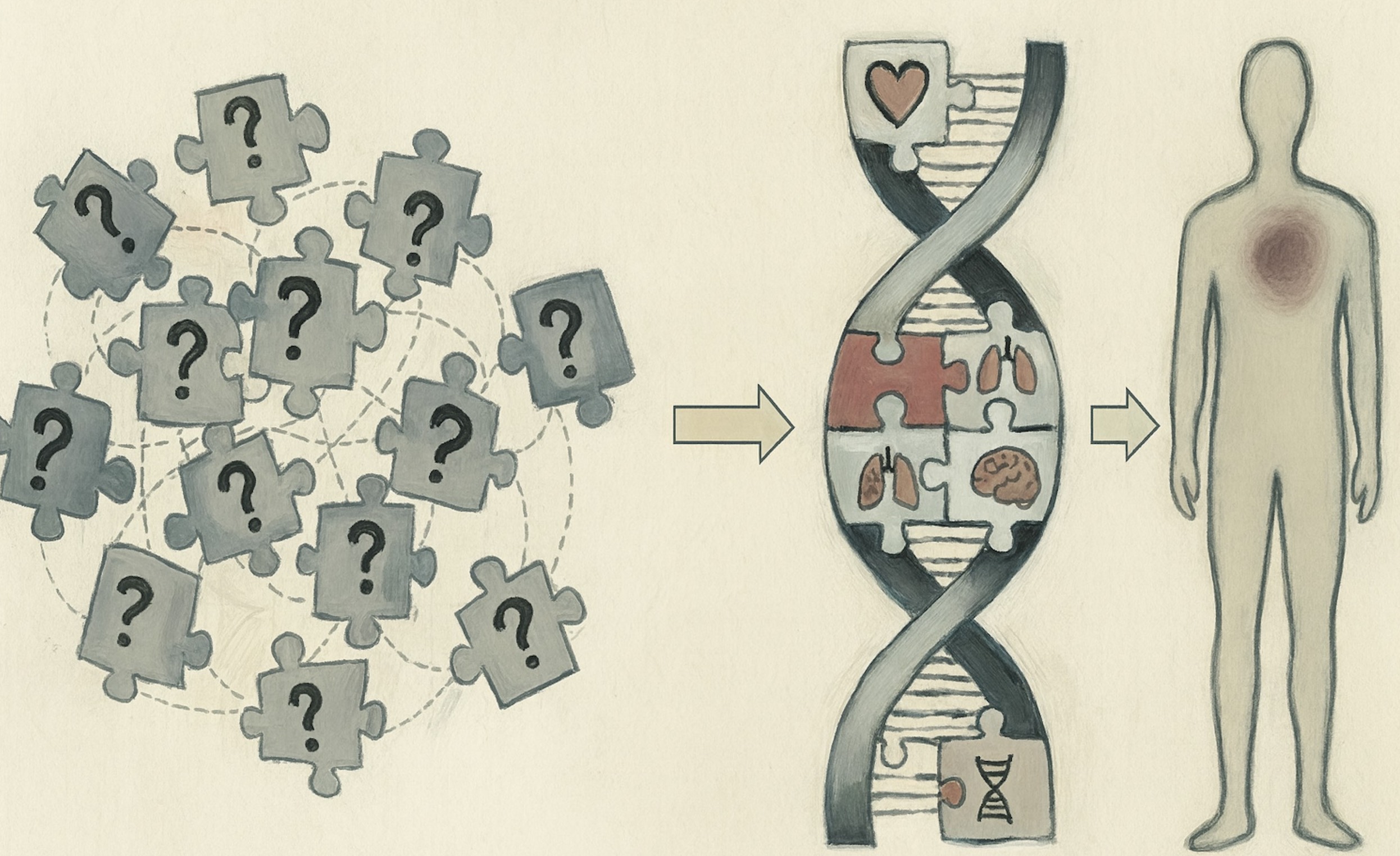
Genetics of Complex Traits and Diseases

Identifying the genetic basis of human diseases to understand disease mechanisms and inform therapeutic strategies.

  • Linking risk variants to function by high-throughput genomic asssays
  • Linking risk variants to molecular function by integrating multi-omics data (transcriptomic, epigenomic)
  • Elucidating mechanisms underlying the disease susceptibility by modeling
Disease Genetics Cartoon

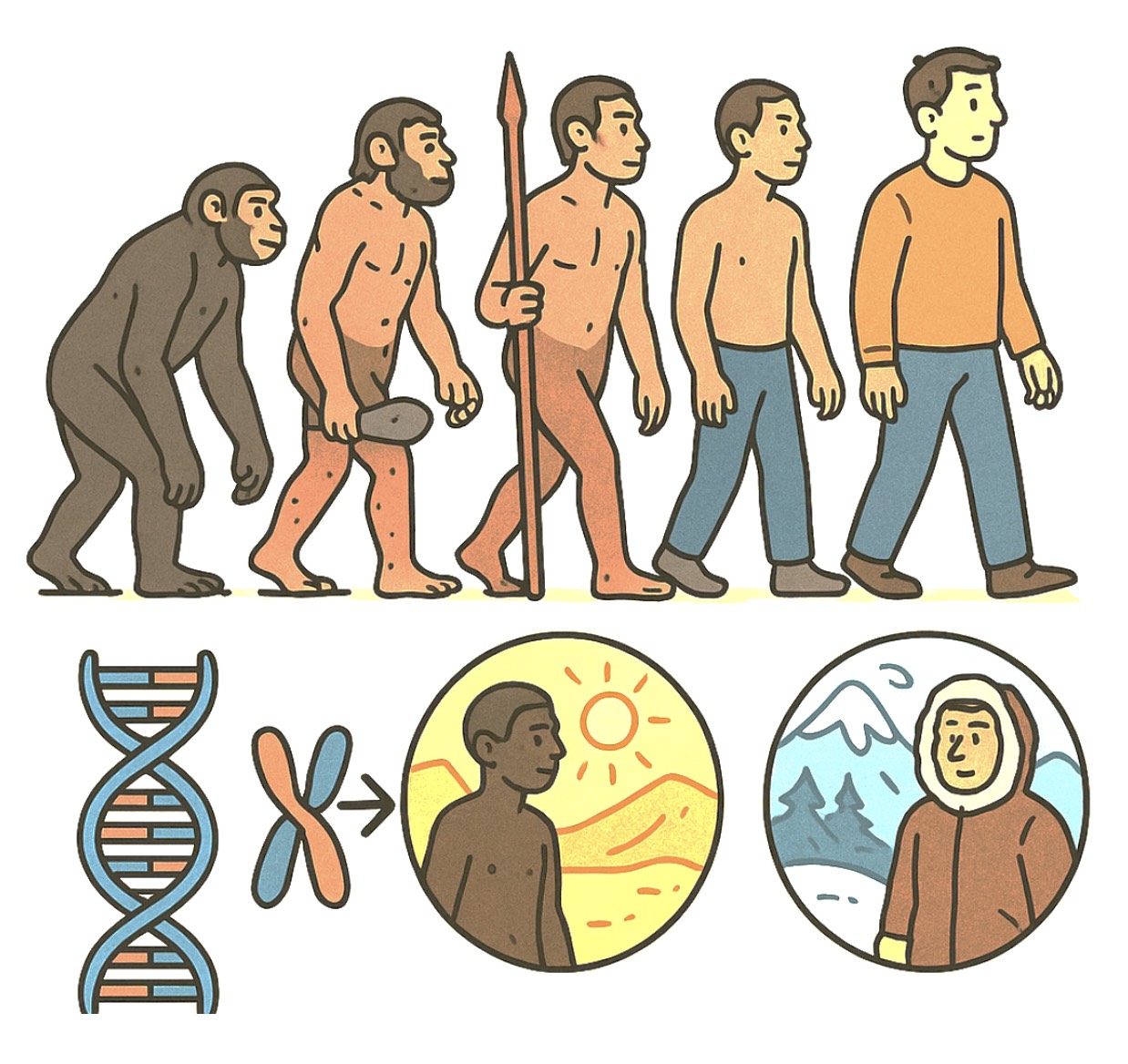
Adaptive Evolution and Population Genetics

Investigating human evolutionary history and the genetic mechanisms of adaptation to diverse environments.

  • Identifying genetic loci that have been shaped by positive selection
  • Analyzing the functional consequences of population-specific adaptive variants
  • Exploring the molecular mechanisms by which how evolution shape modern disease
Evolutionary Genetics Cartoon